
Select a delivery location to check availability.
Select a delivery location to check availability.
Cutting Preference
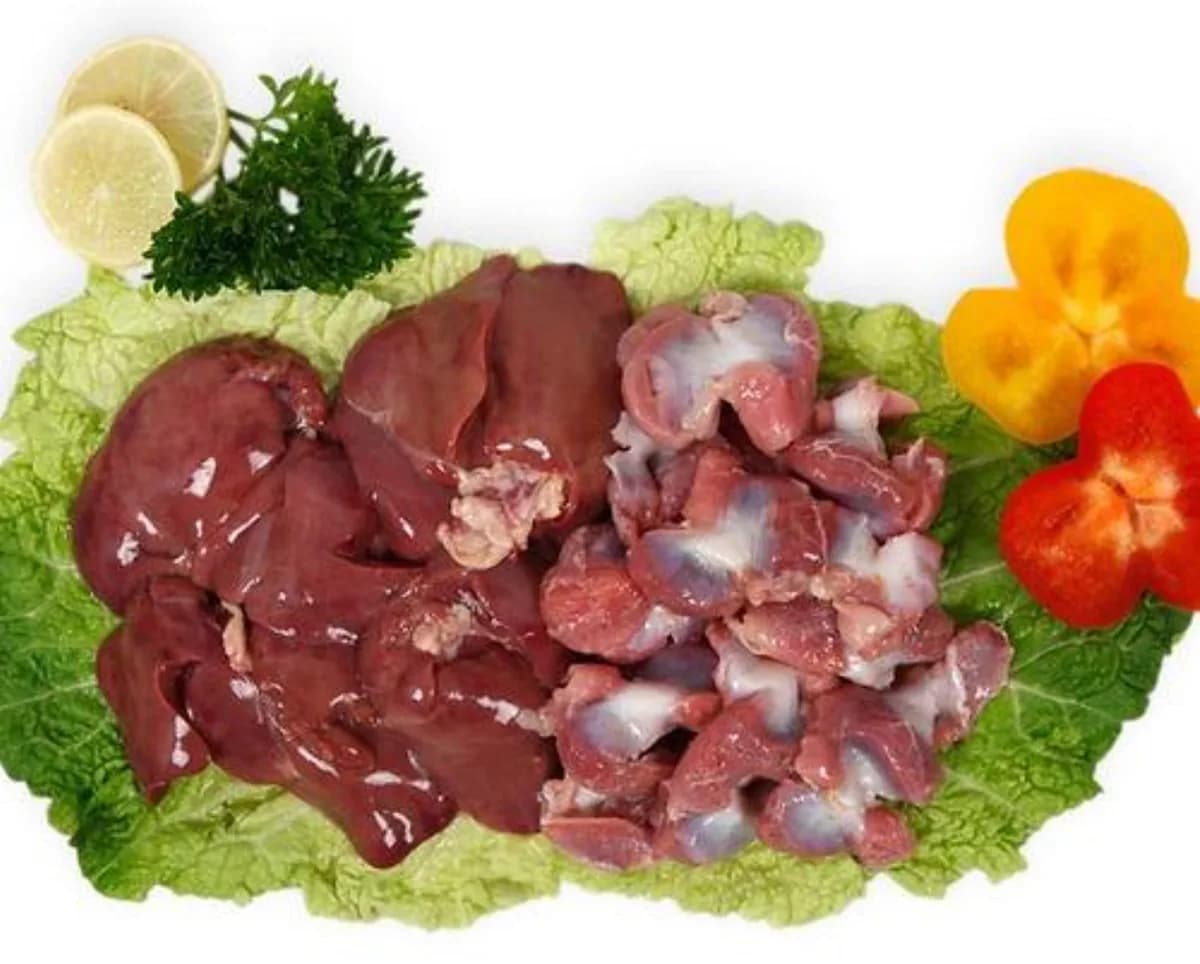
Liver: soft, smooth and dark reddish-brown, with a delicate texture after cooking. Gizzard: firmer, muscular and slightly chewy, with a richer meat-like texture. Usually supplied dressed, cleaned and trimmed, with unwanted connective material removed as appropriate. The two have noticeably different textures, making the combination suitable for liver-gizzard curry, fry, masala, bhuna or kebab-style preparations.
Fresh chicken liver should generally have a moist/glossy appearance and reddish-brown colour, while gizzard should be firm and moist. Avoid product with: Strong sour, rotten or ammonia-like smell Slimy/sticky surface Greenish or unusual discoloration Excessive liquid leakage Greyish/brown-black deterioration Keep it refrigerated at ≤4°C and cook promptly; if storing longer, freeze it.
USDA-derived data list raw chicken liver at about 119 kcal, 16.9 g protein and 4.8 g fat per 100 g, while raw gizzard has about 94 kcal, 17.7 g protein and 2.1 g fat per 100 g. Assuming a roughly 50:50 liver–gizzard mix, 100 g would provide approximately: Calories: ~107 kcal Protein: ~17.3 g Fat: ~3.4 g Carbohydrate: <1 g So 500 g would contain approximately 530–535 kcal and 86–87 g protein, before cooking and added oil. These are estimates because the liver:gizzard ratio can vary. Key nutrients: chicken liver is particularly rich in iron, vitamin B12, vitamin A, copper and selenium, while gizzard provides substantial protein and minerals. The liver values are especially concentrated, so it is best consumed as part of a varied diet rather than in very large quantities.
Purchased this product? Sign in to write a review.